
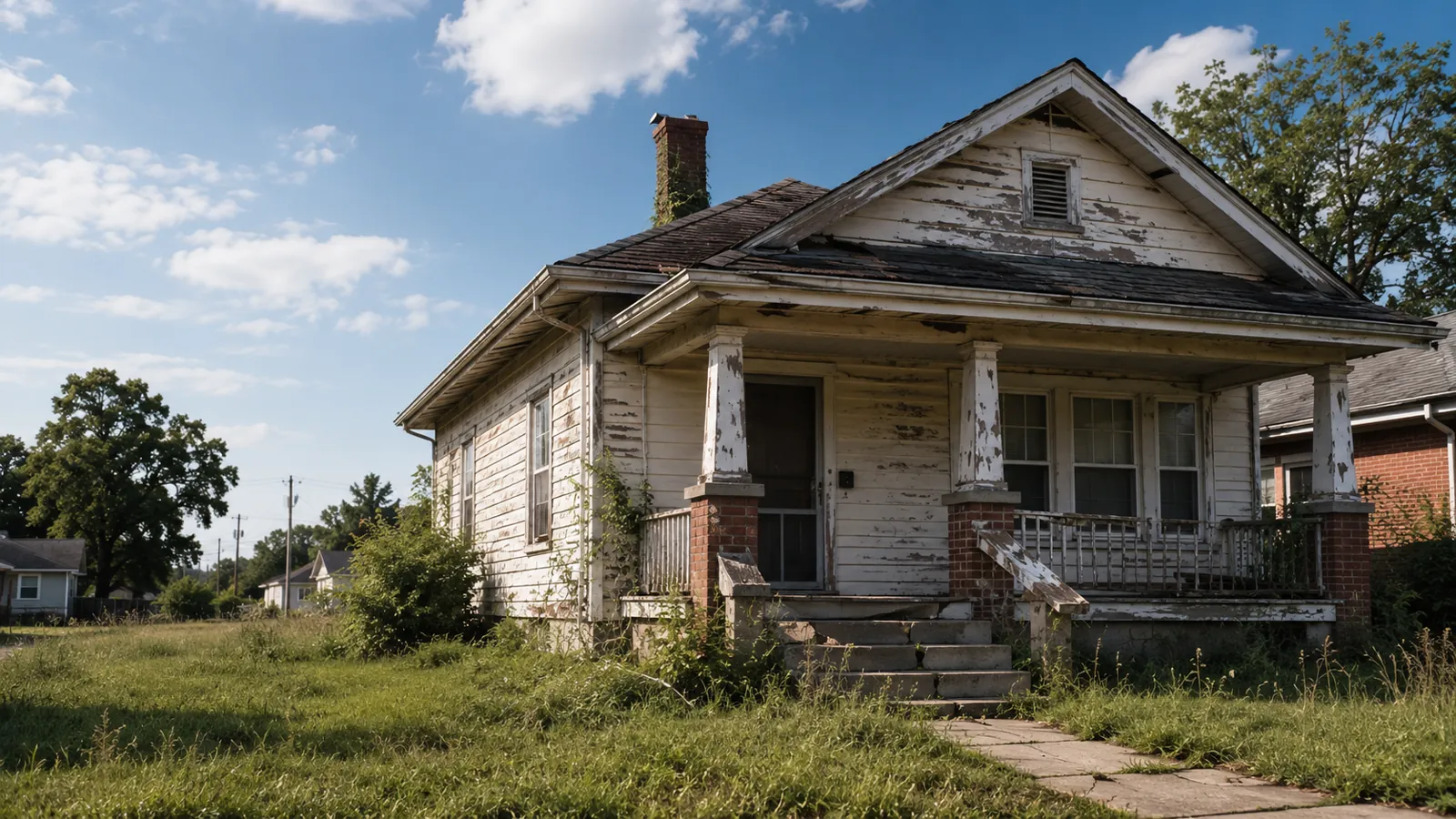
A good property decision begins with the correct order of questions. Use this guide to organize the facts, then obtain professional advice where the situation requires it.
Identify exactly what is offered
A property described as foreclosure may be in a pre-sale process, offered at an auction, or already owned by a lender after a completed sale. These situations can have different access, funding, documents and risks. Ask the source to identify the actual stage and obtain qualified local advice about the applicable process.
Do not assume an advertised amount is the price you can pay to receive clear ownership and possession. Verify what is being sold, who has authority, what terms apply, and which obligations may affect the purchaser. An inexpensive listing can be expensive once the actual transaction is understood.
Review condition and title within the access available
Find out whether you can inspect and what information is reliable. Limited access increases uncertainty; it does not justify assuming the interior is fine. Obtain professional title and legal review appropriate to the transaction. Evaluate occupancy and the process for possession without making assumptions about residents.
Estimate repairs using the available evidence and a contingency consistent with the uncertainty. Review taxes, insurance, utilities, financing and holding time. If you cannot obtain information essential to your decision, declining can be more rational than inventing a favorable answer.
Prepare funding and a downside plan
Read deposit, payment and cancellation terms before participating. Confirm your funding can meet the actual requirements and timing. A conventional loan plan may not fit every auction or condition scenario; ask the lender and transaction professionals rather than guessing.
Model the outcome if repairs grow, possession takes longer, or the intended refinance or resale is unavailable. Do not commit funds you cannot afford to tie up or lose without understanding the exposure. A foreclosure label is a description of a process, not a guarantee of a bargain.
An investor finds a low advertised auction amount — a worked planning example
There is limited access, uncertain occupancy and no completed review of what interest will transfer. The investor assumes conventional financing can be arranged afterward.
A practical sequence: Identify the actual process and obtain qualified local legal and title review. Read payment terms and verify funding capacity before participation. Model condition, possession and holding uncertainties.
The decision principle: A low starting number does not describe the total acquisition cost or risk. Declining an unclear transaction can be better than filling unknowns with optimistic assumptions.
This is a hypothetical planning example, not a description of a LifeTree client or a prediction of your result. To adapt it, write down which facts match your property and which do not. Replace assumptions with your own documents, quotes, dates and professional guidance. If the available information changes, update the comparison instead of treating the original plan as fixed. The value of a scenario is the questions it exposes, not a promised price or timeline.
Trace the listing back to the actual sale process
Record where the property information originated and who is offering what. A third-party advertisement, an auction notice and a lender-owned listing may describe different stages or interests. Ask the responsible source for the actual documents and confirm details through qualified local professionals rather than treating a copied listing as authoritative.
Identify the property carefully. Match the address and parcel information and ask the title professional to review what the documents describe. A photograph or map pin can be incomplete. Ask who has authority to sell, what interest would transfer and which conditions govern the transaction. Do not substitute a seller's verbal explanation for the review appropriate to that process.
Make a stage-specific checklist. For a listed lender-owned property, ask about inspections and financing conditions in the agreement. For an auction, study participation, deposit and payment requirements before bidding. For a pre-sale situation, ask qualified counsel about the actual owner's authority and the relevant process. This article offers an organization method; foreclosure procedures and purchaser obligations require local legal and title guidance.
Set an evidence ceiling for your bid
A maximum price should reflect the information available, not just the resale you hope to achieve. List facts you have verified, assumptions you can estimate and unknowns that could materially change the outcome. Limited interior access, uncertain occupancy and unclear repair scope deserve separate lines rather than a single vague contingency.
Suppose an invented budget contains a $90,000 acquisition amount, $30,000 of anticipated repairs and $12,000 of identified transaction, financing and holding expenses. The total is $132,000 before unidentified work or other obligations. If an inaccessible system could change the scope, include a downside case instead of assuming the favorable result. These figures are illustrative and do not indicate value or a recommended bid.
Ask how much cash is needed at each stage and what happens if the proposed resale or refinance is delayed. A margin on paper does not provide immediate funding. Before entering a binding process, decide which unanswered questions make the transaction unacceptable. A disciplined price limit includes the quality of the evidence and your capacity to carry the uncertainty.
Plan possession and rehabilitation without assumptions
Ask qualified local counsel and the transaction professionals about occupancy and the process for obtaining possession. Do not assume residents can be removed immediately, that belongings are abandoned, or that ownership permits any access action you choose. Budget and schedule depend on the actual situation, and respectful handling of occupants is part of responsible planning.
Once access is available through the appropriate process, arrange qualified condition review and revise the scope. Protect the building as professionals recommend, confirm insurance suitable for the intended use and plan utilities needed for assessment or work. Avoid entering damaged areas merely to improve the estimate.
For rehabilitation, distinguish what was visible before purchase from what the later inspection reveals. Obtain contractor scopes, review relevant approvals and establish change-order control. If funding is limited, ask which essential work protects the property before decorative improvements begin. Keep the intended exit under review as new information arrives. A foreclosure acquisition may look different after possession and inspection; the operating plan needs enough flexibility and resources to respond.
A final pre-participation review
Read the actual sale terms and ask professionals to explain important uncertainties before money is committed. Confirm required deposits, acceptable payment methods, timing, cancellation conditions if any and the closing or transfer process. Verify payee information through independently confirmed contacts. A request for urgent payment deserves careful verification, not an improvised transfer.
Ask your lender whether the contemplated funding can satisfy those terms and the property's condition. Do not bid on the assumption that financing will become available later. Organize your maximum price, total budget, access limitations, title review and downside case into one file. If an essential review is incomplete, consider whether participation fits your risk capacity at all.
Common questions include: Is the advertised starting amount the final purchase cost? Review the actual process and all cost categories. Does a foreclosure label ensure a discount? It provides no substitute for value and condition evidence. Can conventional financing fund every auction? Ask the lender and seller about the actual terms. Is declining a failure? Passing on an unclear transaction preserves resources for an opportunity you can understand and execute.
Your next-step worksheet
Use a single page to keep the decision manageable. Write the property address or parcel number, the people who need to participate, your preferred outcome, and the date you want to review progress. Next to each open question, name the person or professional who will answer it. Keep confirmed information separate from assumptions.
Turn the sections above into actions: identify exactly what is offered; review condition and title within the access available; prepare funding and a downside plan. Add the document or evidence needed for each action and a realistic completion date. If you are comparing providers, give them the same property facts so their proposals can be understood on comparable terms.
Before committing, summarize the proposed price or cost, conditions, timeline, possession arrangements, responsibilities, and unanswered questions in your own words. If you cannot explain a significant term, ask for clarification or professional review. Keep the written agreement, verified contact details and final records together. A useful worksheet does not make the decision for you; it helps ensure the decision follows evidence and your actual priorities.
Connect this guide with your next decision
Compare the net result of a direct sale and a listing, review selling in current condition, and organize your next steps with the seller resource center. Buyers can review first-time purchase planning or off-market due diligence.
This guide is general educational information, not legal, tax, financial, housing-counseling, or investment advice.