
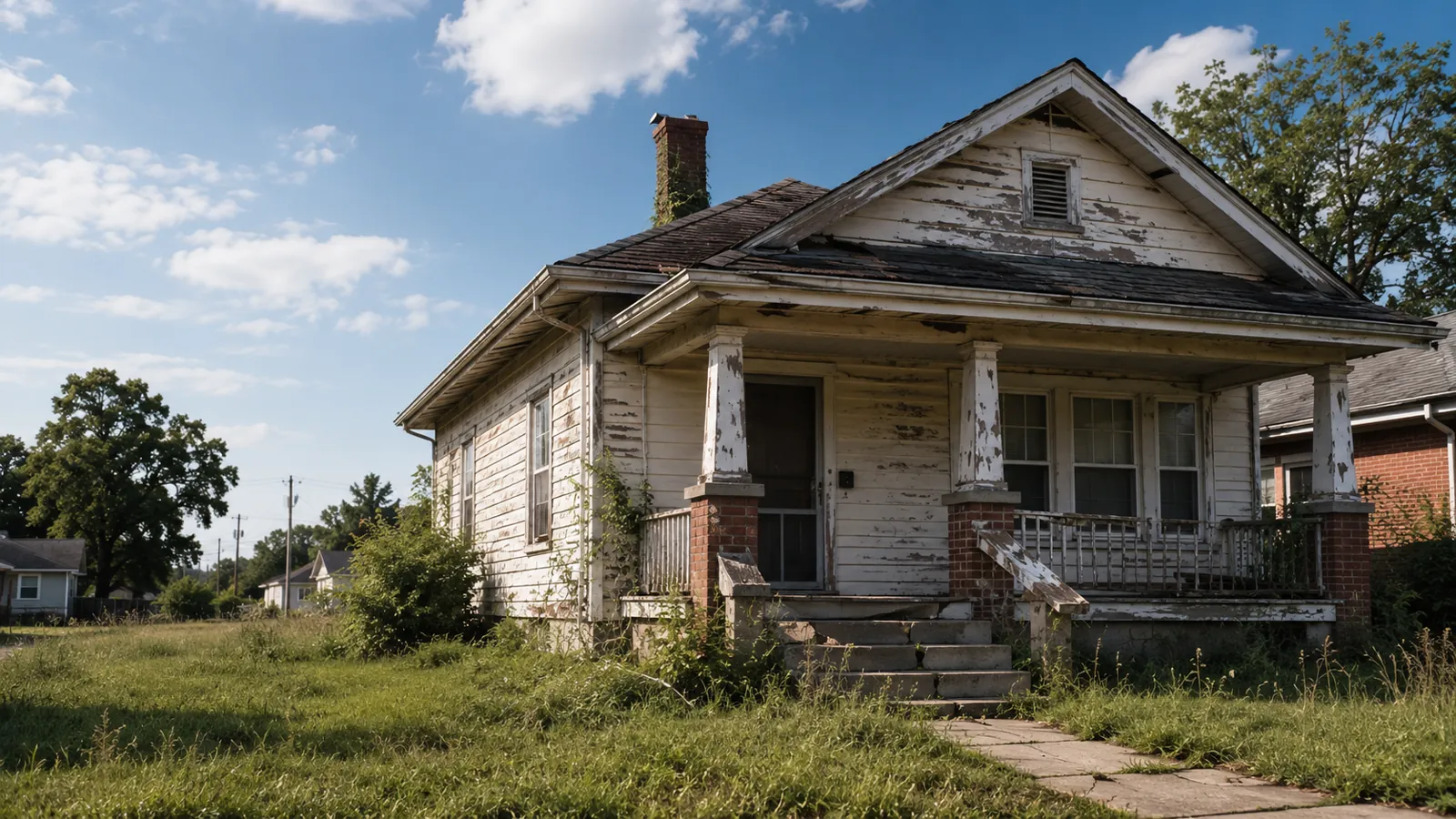
A good property decision begins with the correct order of questions. Use this guide to organize the facts, then obtain professional advice where the situation requires it.
Understand what as-is means
An as-is sale generally means the owner is not agreeing to complete pre-sale repairs, but the written contract, access, disclosures, and state law still control the transaction.
Compare the net and the workload
Place a direct as-is path beside a traditional listing after repair costs, commissions, concessions, carrying costs, and your available time are considered.
Make a condition inventory before spending money
Walk through accessible areas safely and list known issues by system: roof, drainage, foundation, plumbing, electrical, heating and cooling, windows, and interior surfaces. Distinguish a symptom from a diagnosis. A stain on a ceiling is something you observed; the cause may require inspection. Keep repair quotes and reports if you already have them.
Photographs should show the real condition. Include problem areas and avoid using old photos that make the home look materially different. This does not mean you must obtain every possible report before asking for a review. It means an initial conversation should make clear what you know, what you suspect, and what remains unknown.
Evaluate repairs as a project, not just a receipt
Repairing before listing requires money, scheduling, access, contractor oversight, and sometimes permits. The work may uncover additional problems. Ask local professionals whether the proposed improvements fit the likely buyer pool. An expensive finish does not necessarily solve a structural issue or improve the sale result by the same amount.
Compare a repair plan with an as-is option using realistic estimates for time and costs. Include temporary housing or additional payments if relevant. Do not spend money solely because someone says a project always returns more than it costs. Property-specific evidence is more useful than a universal rule.
Define what as-is means in your agreement
Ask whether the purchaser can inspect, which conditions allow renegotiation, what personal property remains, and who handles any unfinished work. An as-is label alone does not explain every responsibility or eliminate questions about known defects. Obtain appropriate professional guidance about disclosures and your specific agreement.
LifeTree can begin with the address, condition, occupancy, and desired outcome. Share whether utilities work and whether any area is unsafe to enter. If an option is presented, compare it with other paths and read the written terms before deciding. You should understand both the convenience offered and the price or conditions attached to it.
A homeowner is considering a major repair before selling — a worked planning example
The roof has visible wear and a contractor recommends replacement. The owner assumes spending money will increase the eventual price by more than the project cost, but has not asked how local buyers evaluate similar homes.
A practical sequence: Obtain a defined scope and identify any underlying issues. Ask an agent how the condition affects likely purchasers and financing. Request an as-is review using accurate photographs and the same facts. Compare expenses, timing, management and written terms.
The decision principle: Treat repair spending as a property-specific decision. The best path depends on what the project solves, the buyer pool, and the owner’s capacity, not on a universal return-on-renovation promise.
This is a hypothetical planning example, not a description of a LifeTree client or a prediction of your result. To adapt it, write down which facts match your property and which do not. Replace assumptions with your own documents, quotes, dates and professional guidance. If the available information changes, update the comparison instead of treating the original plan as fixed. The value of a scenario is the questions it exposes, not a promised price or timeline.
Does as-is mean the buyer cannot inspect?
The written agreement controls the inspection and other conditions. Ask whether the purchaser will visit, bring specialists, request documents or reserve rights to withdraw or renegotiate. An as-is description usually communicates a condition approach; it does not by itself explain the entire contract. Obtain appropriate advice about your specific terms.
Make safe access arrangements and share known concerns. If an area cannot be entered, say so rather than implying it was inspected. Ask how the buyer handles uncertainty and what would happen if their review differs materially from the initial information. Understanding that process before signing helps you compare convenience and certainty.
Which repairs should I investigate first?
Prioritize known safety issues and active damage with qualified professionals. Electrical hazards, structural concerns, leaking roofs, plumbing failures and drainage problems have different implications from worn carpet or outdated paint. Record symptoms without diagnosing them yourself. A contractor or inspector can help identify the scope relevant to a decision.
Before commissioning extensive work, ask which information is necessary for the sale path under consideration. You may need enough detail to compare options rather than a complete design package. Keep quotes itemized with exclusions and assumptions. An investigation is useful when it reduces a material uncertainty; it should not become a substitute for choosing a workable plan.
What about appliances and belongings?
List what is included, excluded or negotiable. Fixtures, removable equipment, appliances and personal belongings can be treated differently in transaction documents, so ask the professionals involved to clarify the actual agreement. Do not assume an as-is purchaser accepts every item remaining in the house.
Protect papers, valuables and third-party property before inspections. If cleanout responsibility is part of the proposal, ask which areas and materials are covered. Keep the possession date and final condition documented. A clear handover avoids the situation where one party expects an empty house and the other expects all contents to remain.
How can I compare repair quotes with a direct proposal?
Use a defined repair scope, expected time and total project costs in one scenario, then include the likely selling expenses after preparation. Use the proposed amount and verified cost treatment from the direct option in the other scenario. Both scenarios should include debt payoff and the costs of waiting.
Label projected sale prices and uncertain repairs clearly. Test what happens if the project takes longer or reveals additional work. Decide whether you have the cash and oversight capacity. A direct proposal may trade some price for reduced work, but the comparison should show the actual tradeoff rather than relying on general claims about savings.
Your next-step worksheet
Use a single page to keep the decision manageable. Write the property address or parcel number, the people who need to participate, your preferred outcome, and the date you want to review progress. Next to each open question, name the person or professional who will answer it. Keep confirmed information separate from assumptions.
Turn the sections above into actions: understand what as-is means; share the known condition; compare the net and the workload; make a condition inventory before spending money; evaluate repairs as a project, not just a receipt; define what as-is means in your agreement. Add the document or evidence needed for each action and a realistic completion date. If you are comparing providers, give them the same property facts so their proposals can be understood on comparable terms.
Before committing, summarize the proposed price or cost, conditions, timeline, possession arrangements, responsibilities, and unanswered questions in your own words. If you cannot explain a significant term, ask for clarification or professional review. Keep the written agreement, verified contact details and final records together. A useful worksheet does not make the decision for you; it helps ensure the decision follows evidence and your actual priorities.
Connect this guide with your next decision
Compare the net result of a direct sale and a listing, review selling in current condition, and organize your next steps with the seller resource center. Buyers can review first-time purchase planning or off-market due diligence.
This guide is general educational information, not legal, tax, financial, housing-counseling, or investment advice.